

What Is İçli Köfte? Turkey's Stuffed Bulgur Meatballs Explained
Anasayfa | Blog
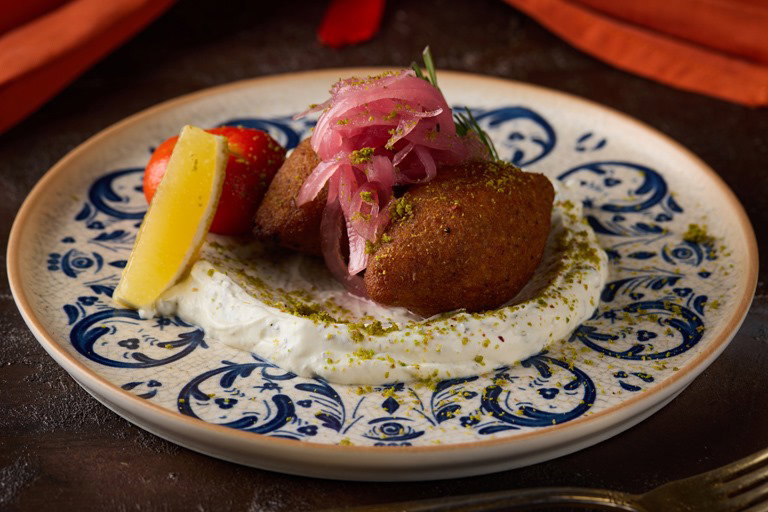
İçli köfte is a torpedo-shaped shell of fine bulgur wrapped around spiced minced meat, then fried until the outside turns crisp and deep brown. The name means "köfte with an inside": a thin, crunchy crust that breaks open to a soft, peppery filling, eaten hot as a starter.
In Turkey it sits on the menu with the hot starters, between the cold mezes and the grill. It takes skill to make, because the shell has to be thin enough to crunch but strong enough not to split in the oil, which is why many people order it out rather than make it at home. If you are eating in Sultanahmet, it is one of the best ways to begin a meal of Anatolian dishes, and it is especially good on a cold evening when you want something hot on the table quickly.
What İçli Köfte Is Made Of
There are only two parts to the dish, but each one has its own method. Cooks usually prepare the filling first so it can cool, then make the shell dough, then shape each piece by hand. A good cook can shape dozens in an hour; a beginner usually tears the first few.
The bulgur shell
The outer layer is made from fine bulgur, the cracked wheat that is also used for kısır and pilaf. It is soaked, then kneaded for a long time with a little very lean minced meat or semolina, salt and spices until it becomes a smooth, sticky dough. The cook takes a ball of this dough, pushes a finger into it and turns it against the palm until it becomes a hollow shell with thin walls. Getting that turning movement right is what separates a delicate shell from a thick, doughy one.
The spiced filling
The filling is minced meat cooked slowly with onion until it is dry and fragrant. Common seasonings are red pepper flakes, black pepper, cumin and sometimes allspice, with chopped parsley stirred in at the end. Many regional recipes also add crushed walnuts for texture. Once the shell is filled, the open end is pinched closed and the köfte is shaped into a point at each end.
Where the Dish Comes From
Stuffed bulgur köfte belongs to southeastern Turkey and the wider Levant. Cities such as Gaziantep, Şanlıurfa, Mardin, Diyarbakır and Hatay each have their own versions, and across the border the same family of dishes is known as kibbeh. In Hatay, for example, a related dish called oruk is shaped into a long roll and baked rather than fried.
The fried version travelled west with people from those regions and became a standard hot starter in Istanbul restaurants. Today you will find it at kebab houses, meyhanes and family restaurants across the city. If you are curious about how these regional dishes fit into the bigger picture, our guide to the flavours of Anatolia covers the main ones served in the old city.
Fried or Boiled: The Main Styles
When people in Turkey talk about içli köfte, they almost always mean the fried kind. There are other styles, though, and knowing them helps when you see the dish described differently from one menu to the next. These are the versions you are most likely to meet:
- Fried içli köfte: the restaurant standard, with a crisp, dark shell. It is served hot, usually two or three pieces to a plate.
- Boiled içli köfte (haşlama): common in Mardin and Diyarbakır. The shell stays soft and pale, and the köfte is often eaten with lemon or added to a yogurt soup.
- Baked versions such as Hatay's oruk: drier and firmer, closer to a savoury pastry.
- Large flat trays: some families press the bulgur and filling into layers in a tray and bake it, which saves the work of shaping each piece.
For a first taste, the fried version is the one to try. It shows the contrast between shell and filling most clearly, and it is the style served in Sultanahmet.
How Ruvia Serves It
At Ruvia Restaurant, İçli Köfte is listed with the hot starters, next to Tereyağlı Karides (butter shrimp) and Patates Tava (fried potatoes). The plate comes with the fried köfte resting on a layer of thick yogurt, with a wedge of lemon and quick-pickled red onion on the side and a dusting of ground pistachio over the top. The cool yogurt and the sharp onion cut through the richness of the fried shell and the spiced meat.
The kitchen's exact recipe, including whether the filling contains walnuts, can change, so ask your waiter if you have a nut allergy. The shell is made from wheat, which means the dish is not suitable for anyone avoiding gluten. It also contains meat, so vegetarians are better served by the dishes in our guide to meat-free dining in Sultanahmet.
How to Eat İçli Köfte
Eat it as soon as it reaches the table. The shell is at its best in the first few minutes, while it is still crackling, and it softens as it cools. Squeeze the lemon over the top first, then cut the köfte in half with your fork so the steam escapes and you can see the filling.
Turks often pick it up by hand, especially at home or in casual places, and that is perfectly polite. In a sit-down restaurant most people use a fork and knife. Either way, drag each bite through the yogurt and take a piece of onion with it. One plate is usually enough for two people to share as part of a wider starter order, while a hungry diner can easily finish one alone.
Building a Starter Table Around It
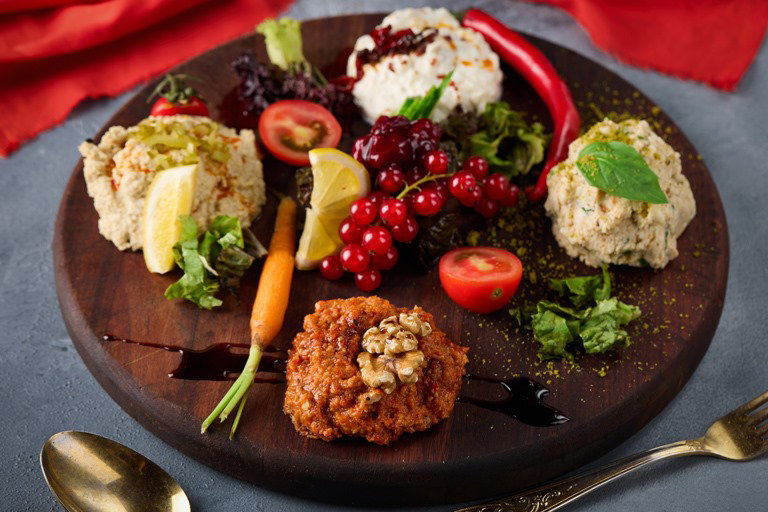
İçli köfte works best as one hot plate among several cold ones. The Turkish way is to order a few starters for the middle of the table, share everything, and only then decide on mains. Because the köfte is rich and crunchy, it pairs well with fresh, sharp cold mezes that balance it.
From our cold starters, these are the easiest matches:
- Acılı Ezme: a finely chopped spicy tomato and pepper salad that adds heat and acidity.
- Cacık: yogurt with cucumber and herbs, good if you want more of the cooling yogurt.
- Humus: smooth chickpea purée, mild and creamy.
- Atom: thick strained yogurt topped with hot dried peppers, a favourite before grilled meat.
- Karışık Meze: a mixed board if you want to try several cold starters without ordering each one.
For two people, one hot starter and two cold ones is a comfortable amount before a main course. For four, double it. Our list of Turkish mezes worth knowing explains the cold plates in more detail.
Why It Suits Winter
Bulgur, meat and a hot fryer make a filling combination, and içli köfte has always had a place in the colder months. Many Turkish families shape a large batch on a weekend, freeze it raw and fry a few pieces whenever guests arrive, so the dish is often linked with winter visits and long family dinners.
In Sultanahmet, November and December bring short days and cool, damp evenings. After an afternoon walking between Hagia Sophia, the Blue Mosque and the Basilica Cistern, a plate of hot içli köfte followed by soup or grilled meat makes a good, filling dinner. Ruvia's dining room on Kennedy Avenue in Cankurtaran is open from noon to midnight, so it works for a late lunch as well as dinner. For more cold-weather ideas, see our guide to lentil soup, sightseeing and warming dishes in Sultanahmet.
What to Order After It
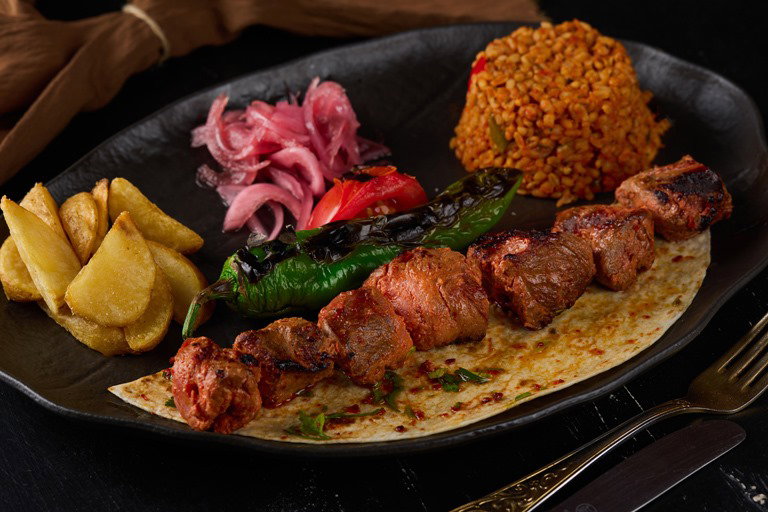
Since içli köfte already brings bulgur and spiced meat to the table, many guests follow it with a simple grilled main. Kuzu Şiş (lamb cubes on a skewer), Tavuk Şiş (chicken) and Kasap Köfte (butcher-style grilled meatballs) all fit well, and our skewer plates come with bulgur pilaf, potatoes and a grilled pepper. If your group prefers fish, grilled sea bass or sea bream gives a lighter contrast; our seafood guide covers those options.
To finish, Turkish tea or coffee is the usual close to a meal like this. Our page on Turkish coffee and tea in Sultanahmet explains how each one is served. You can check the current dishes on the Ruvia menu before you come.
Frequently Asked Questions
Is içli köfte the same as kibbeh?
They are close relatives. Both are bulgur shells with a spiced meat filling, but recipes differ by region in the spices, the shape and whether walnuts or pine nuts are added. In Turkey the dish is almost always called içli köfte.
Is içli köfte spicy?
It is usually mildly spicy rather than hot. The filling carries red pepper flakes and warm spices like cumin, but the heat is gentle, and the yogurt on the plate softens it further.
How do you pronounce içli köfte?
It sounds roughly like "eech-lee kuhf-teh". The "ç" is said like the "ch" in "chair", and the "ö" is similar to the vowel in the French word "deux".
Can I order içli köfte as a main course?
You can, but it is designed as a starter, so a single plate will feel light for a main meal. Most guests order it alongside one or two cold mezes and a grilled dish.
Is içli köfte suitable for children?
Most children enjoy it, since the crunchy shell is familiar and the spice level is low. Let it cool for a minute first, because the filling stays very hot inside the shell.